Discovering The Enigma: The Female Fox Is Called
When we think of foxes, images of these cunning creatures often conjure up various ideas and associations. Among the many fascinating aspects of foxes, one particular detail stands out - the terminology used to describe their gender. Understanding the term for a female fox not only enriches our vocabulary but also enhances our appreciation for these clever animals. In this article, we delve into the enchanting world of foxes, exploring what a female fox is called, along with various interesting facts and insights about these magnificent mammals.
Foxes belong to the Canidae family, which includes other well-known animals such as wolves, dogs, and coyotes. Their unique characteristics, adaptability, and social structures make them a subject of intrigue. In the wild, foxes exhibit incredible intelligence and resourcefulness, allowing them to thrive in various environments. As we uncover the name for a female fox, we will also highlight their behaviors, habitats, and the role they play in the ecosystem, making it clear why these animals are worthy of our attention.
Whether you are a nature enthusiast, a wildlife photographer, or simply someone who enjoys learning about animals, the term we use for a female fox is a delightful tidbit of knowledge. As we navigate through the various aspects of foxes, we invite you to join us on this journey of discovery, where you will find not only the answer to what a female fox is called but also a wealth of information about these captivating creatures.
What is a Female Fox Called?
The female fox is called a "vixen." This term is widely recognized and used in various contexts, from literature to wildlife documentaries. The word "vixen" not only denotes the female counterpart of the fox but also carries connotations of femininity and cunning, reflecting the characteristics often associated with female foxes in folklore and storytelling.
What Are the Characteristics of a Vixen?
Vixens, like their male counterparts (known as "dogs" or "reynards"), possess unique traits that distinguish them within the fox family. Here are some notable characteristics of vixens:
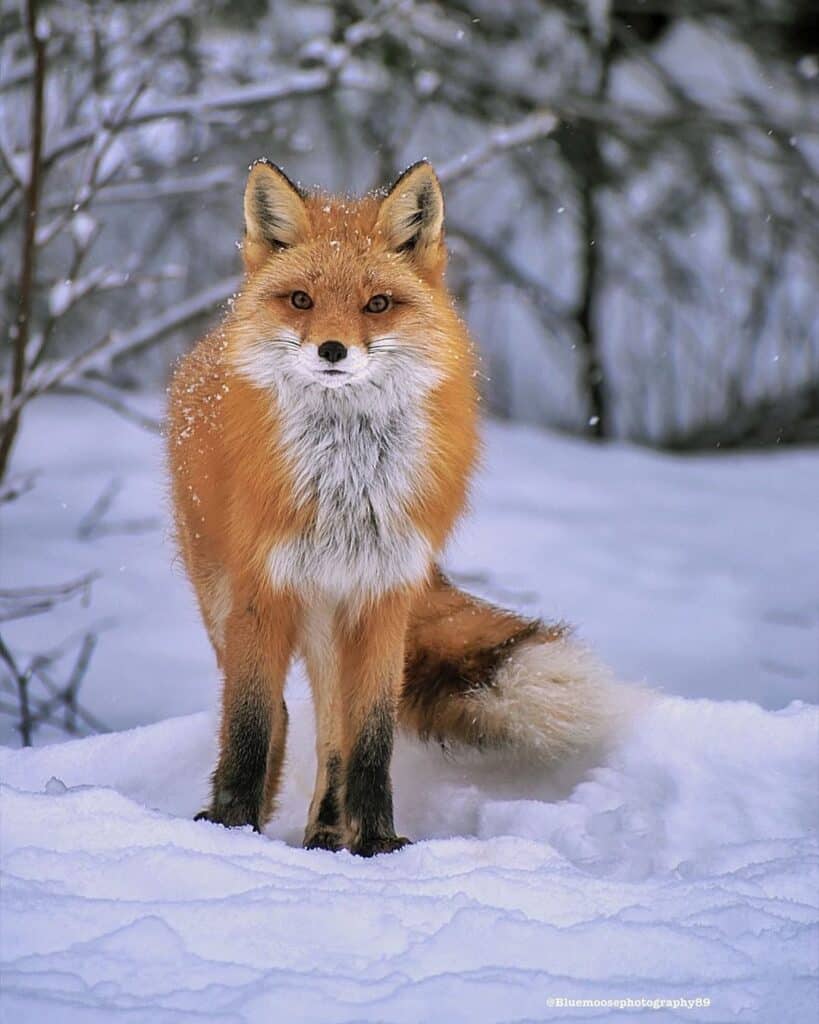
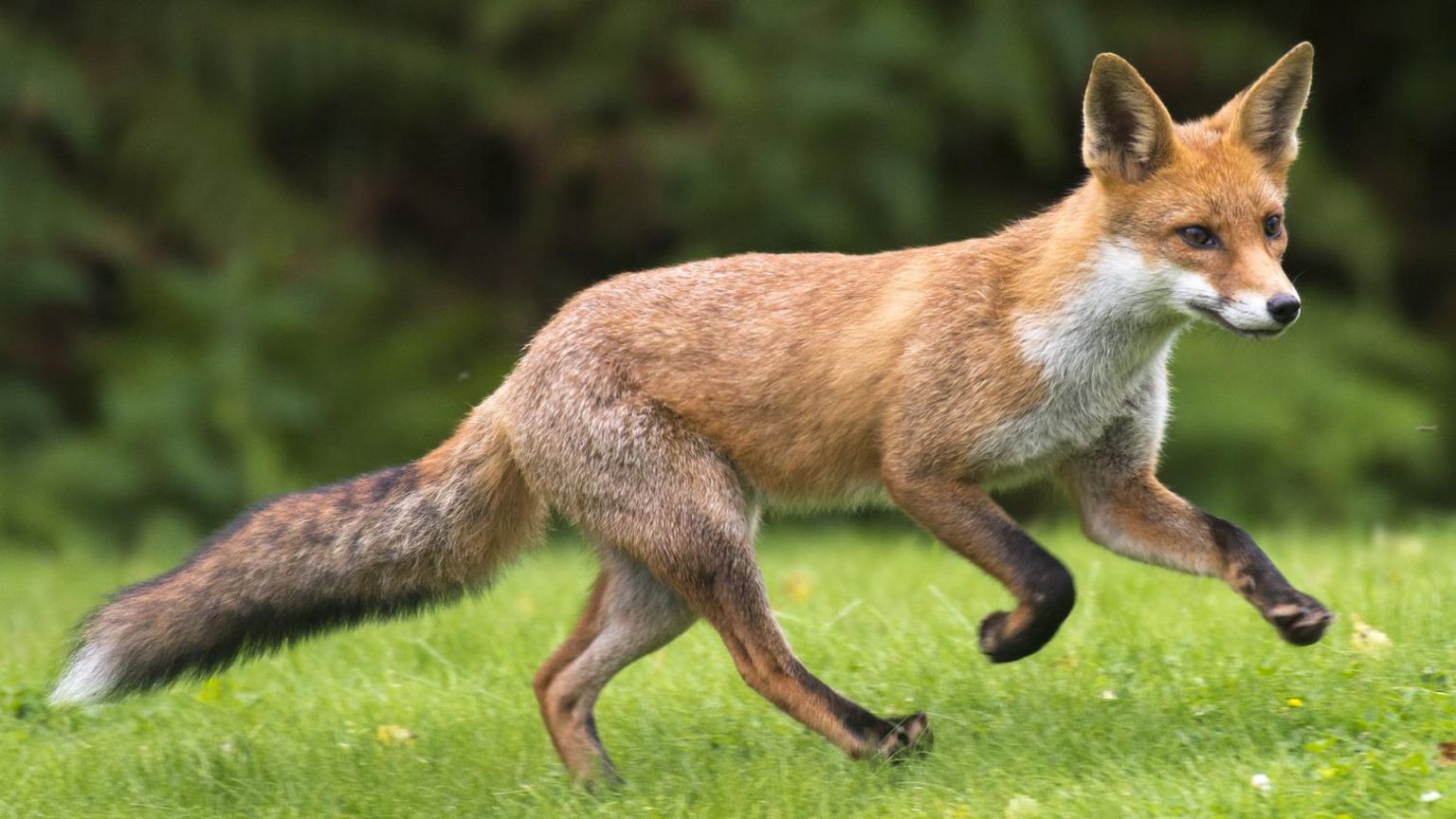
- Size and Appearance: Vixens are generally smaller than male foxes, with a more slender build. Their fur is often vibrant, featuring a mix of red, orange, and white shades.
- Behavior: Vixens are known for their nurturing instincts, especially during the breeding season when they care for their young, known as kits.
- Communication: Vixens use a variety of vocalizations, body language, and scent markings to communicate with other foxes.
- Diet: Like all foxes, vixens are omnivorous, feeding on a combination of small mammals, birds, insects, fruits, and vegetables.
How Do Vixens Care for Their Young?
The nurturing behavior of vixens is a remarkable aspect of their life cycle. After a gestation period of about 52 days, vixens give birth to a litter of kits, typically ranging from 2 to 12. During this crucial time, vixens exhibit various maternal instincts:
- Nesting: Vixens create a secure den for their young, often using abandoned burrows or excavating their own.
- Feeding: The mother actively hunts and brings food back to the den, ensuring her kits receive the necessary nutrition for growth.
- Teaching: As the kits grow, vixens engage in playful activities, teaching them essential survival skills.
Where Do Vixens Live?
Vixens are adaptable creatures, inhabiting a wide range of environments. They can be found in forests, grasslands, mountains, and even urban areas. Their ability to thrive in diverse habitats is one reason why they are such a common sight across various regions. Here are some details about their habitats:
What Types of Dens Do Vixens Use?
Vixens often use dens for shelter, particularly during the breeding season. The type of den they choose can vary based on their environment:
- Natural Dens: Vixens may take over existing burrows made by other animals or use natural crevices in rocks and trees.
- Excavated Dens: In areas where suitable burrows are scarce, vixens may dig their own dens to provide a safe space for their kits.
What is the Role of Vixens in the Ecosystem?
Vixens play a vital role in maintaining the balance of their ecosystems. As predators, they help control the populations of small mammals and insects, preventing overpopulation and promoting biodiversity. Their foraging habits also contribute to seed dispersal, aiding in plant growth and regeneration. Understanding the ecological significance of vixens enhances our appreciation for these remarkable animals.
How Can We Protect Vixens and Their Habitats?
As human activities continue to impact wildlife, it is essential to take steps to protect vixens and their natural habitats. Here are some ways we can contribute:
- Habitat Conservation: Support conservation efforts aimed at preserving natural habitats and restoring damaged ecosystems.
- Wildlife Corridors: Advocate for the creation of wildlife corridors that allow animals to safely navigate between habitats.
- Education: Raise awareness about the importance of foxes in our ecosystems and the threats they face.
What Are Some Common Myths About Vixens?
Despite their fascinating nature, vixens are often subject to misconceptions. Here are some common myths that deserve clarification:
- Vixens Are Dangerous: While they are wild animals, vixens typically avoid human interaction and pose little threat to people.
- Vixens Are Pests: Many people view foxes as nuisances, but they play an important ecological role in controlling rodent populations.
In conclusion, the female fox is called a vixen, a term that encapsulates not only her gender but also her cunning and resourceful nature. As we navigate the enchanting world of these animals, we learn about their behaviors, habitats, and ecological significance. By understanding and appreciating vixens, we can contribute to their conservation and ensure that future generations can marvel at these remarkable creatures.